
If your skin feels tight, flaky, dull, or uncomfortable, you may assume you have dry skin. But sometimes, the issue is actually dehydration — and the two are not the same thing.
Understanding the difference between dry and dehydrated skin can help you choose products that better support your skin’s needs, whether you’re building an everyday skincare routine or caring for skin after professional treatments like microneedling.
Here’s what to know about dry vs. dehydrated skin, including the signs to look for and how to support healthier-looking, more balanced skin.
Dry Skin vs. Dehydrated Skin: What’s the Real Difference?
The biggest difference comes down to what the skin is lacking.
- Dry skin lacks oil
- Dehydrated skin lacks water
Dry skin is considered a skin type, while dehydrated skin is typically a temporary skin condition that can affect any skin type — including oily or acne-prone skin.
Although they can look similar, they often require different skincare approaches.
What Is Dry Skin?

Dry skin produces less natural oil than it needs to maintain softness and comfort. Because oil helps support the skin barrier, dry skin can feel rough, flaky, or easily irritated.
Common Signs of Dry Skin
- Flaking or peeling
- Rough texture
- Persistent tightness
- Skin that feels dry year-round
- Makeup clinging to dry patches
- A compromised-looking moisture barrier
Dry skin is often influenced by genetics, age, climate, and skincare habits.
Cold weather, indoor heating, harsh cleansers, and over-exfoliation may also make dryness more noticeable.
What Is Dehydrated Skin?
Dehydrated skin lacks water, not oil. This means even oily skin can become dehydrated.
Dehydration can leave skin looking dull or tired while also making it feel tight, sensitive, or uncomfortable.
Common Signs of Dehydrated Skin
- Tightness after cleansing
- Dull-looking skin
- Temporary sensitivity
- Skin that feels oily but still uncomfortable
- More noticeable fine lines from lack of hydration
- Uneven makeup application
- Because dehydration is often temporary, skincare products focused on hydration and moisture support may help improve the appearance and feel of the skin over time.
What Causes Dehydrated Skin?
Several everyday factors can contribute to skin dehydration, including:
- Dry climates
- Air travel
- Hot showers
- Overuse of exfoliating acids or retinoids
- Harsh cleansers
- Environmental stressors
- Inconsistent hydration-focused skincare routines
Skin may also feel temporarily dehydrated after professional treatments, including chemical peels, laser procedures, or microneedling.
Can You Have Both Dry and Dehydrated Skin?
Yes — and many people do.
Dry skin can also become dehydrated, especially during colder months or after using overly aggressive skincare products.
In these cases, skin may need both:
- Hydration support to help attract and retain water
- Moisture support to help reinforce the skin barrier
That’s why balanced skincare routines are important for maintaining healthy-looking skin.
How to Support Dry or Dehydrated Skin

Choose a Gentle Cleanser
Over-cleansing can leave skin feeling stripped and uncomfortable.
The MDPen Hydrating Cleanser is formulated to gently remove makeup and surface impurities while helping support hydration and the skin’s moisture barrier. According to the MDPen Skincare Manual, it contains ingredients like Snow Mushroom Extract, Hyaluronic Acid, Green Tea Extract, Calendula, and Chamomile.
Product:
MDPen Hydrating Cleanser
Add Hydrating Ingredients Like Hyaluronic Acid
Hyaluronic acid is commonly used in skincare because it helps support moisture retention and hydration.
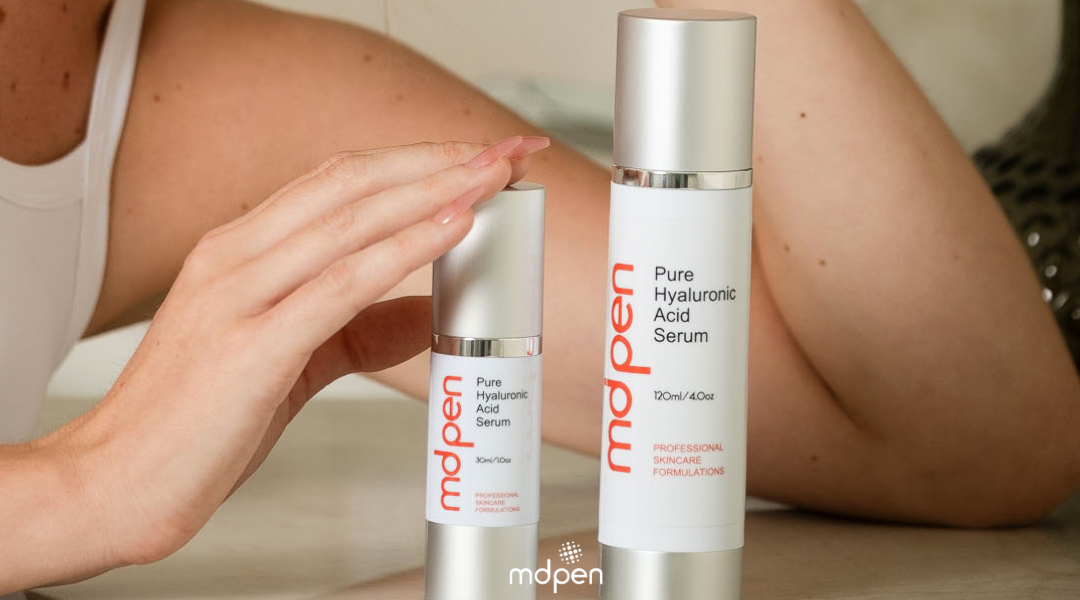
The MDPen Pure Hyaluronic Acid Serum is designed to help replenish moisture while supporting smoother, softer-feeling skin. The formula is centered around Hyaluronic Acid, which the MDPen manual describes as capable of attracting moisture and helping reinforce the skin’s moisture barrier.
Product:
MDPen Pure Hyaluronic Serum
Mist Skin Throughout the Day
For skin that feels dehydrated, lightweight hydration layers can help refresh the complexion without feeling heavy.
The MDPen Copper + HA Mist Serum combines Hydrolyzed Sodium Hyaluronate with Copper, Zinc, and Manganese peptides. The formula is intended to help hydrate and calm the skin while supporting the appearance of smoother, healthier-looking skin.
Product:
MDPen Copper + HA Mist
Support the Moisture Barrier
Dry skin often benefits from moisturizers that help soften and condition the skin while supporting the moisture barrier.
The MDPen ReVita Peptide Moisture Crème contains ingredients including Hyaluronic Acid, Squalane, Shea Butter, and peptides designed to support hydration and smoother-looking skin. The MDPen Skincare Manual notes that the formula is intended to help restore the moisture barrier and improve skin softness and suppleness.
Product:
MDPen ReVita Peptide Moisture Crème
Don’t Skip SPF
Both dry and dehydrated skin can be more vulnerable to environmental stressors, including UV exposure.
The MDPen SPF 30 + Facial Moisturizer is formulated to provide daily sun protection while also helping support hydration and the skin barrier with ingredients like Jojoba Esters, Vitamin C, Vitamin E, and Green Tea Extract.
Product:
MDPen SPF 30 + Facial Moisturizer
Dry Skin vs. Dehydrated Skin: Quick Comparison
|
Dry Skin |
Dehydrated Skin |
|
Lacks oil |
Lacks water |
|
Skin type |
Temporary condition |
|
Often flaky and rough |
Often dull and tight |
|
Usually consistent |
Can come and go |
|
Benefits from richer moisturizers |
Benefits from hydration-focused products |
Supporting Skin After Microneedling
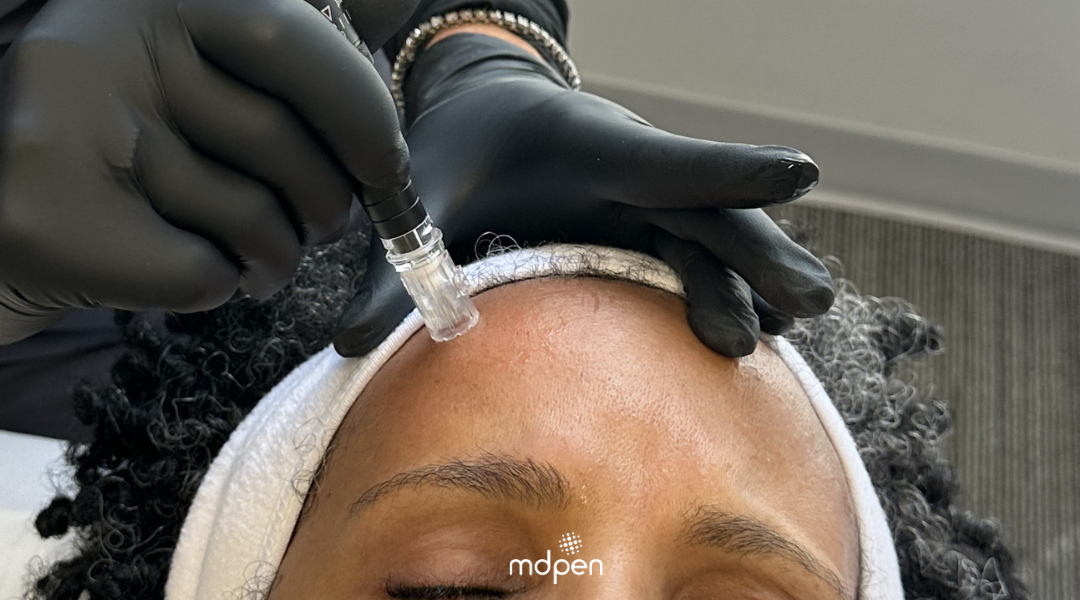
Hydration becomes especially important after microneedling treatments, when skin may temporarily feel dry, tight, or more sensitive.
According to the MDPen Skincare Protocols, products like the MDPen Pure Hyaluronic Acid Serum, MDPen Copper + HA Mist Serum, and MDPen Human-Derived Growth Factor Gel are incorporated into hydration-focused post-treatment routines intended to support the skin’s moisture barrier and overall skin comfort.
Products:
The Bottom Line
Dry skin and dehydrated skin may share similar symptoms, but they are fundamentally different concerns. Dry skin lacks oil, while dehydrated skin lacks water.
Recognizing the difference can help you create a skincare routine that better supports hydration, comfort, and a healthier-looking complexion.
Whether your skin needs lightweight hydration, richer moisture support, or post-treatment care, focusing on gentle cleansing, hydration-supporting ingredients, and daily barrier protection can help skin look smoother, softer, and more balanced over time.
Frequently Asked Questions About Dry vs. Dehydrated Skin
Can oily skin be dehydrated?
Yes. Oily skin can still lack water. In fact, dehydrated skin may sometimes produce excess oil while still feeling tight or uncomfortable. That’s why hydration-focused products can still be beneficial for oily or acne-prone skin types.
How do I know if my skin is dry or dehydrated?
Dry skin typically feels consistently rough, flaky, or lacking in oil. Dehydrated skin often feels tight, dull, or temporarily sensitive and may improve with hydration-focused skincare and lifestyle adjustments.
A simple clue:
- Dry skin = lack of oil
- Dehydrated skin = lack of water
What ingredients help dehydrated skin?
Hydration-supporting ingredients commonly include:
- Hyaluronic Acid
- Glycerin
- Aloe Vera
- Panthenol
- Snow Mushroom Extract
The MDPen Pure Hyaluronic Acid Serum and MDPen Copper + HA Mist Serum both feature Hyaluronic Acid to help support skin hydration.
Products:
What ingredients help dry skin?
Dry skin often benefits from ingredients that help support the moisture barrier and soften the skin, including:
- Squalane
- Shea Butter
- Ceramides
- Peptides
- Hyaluronic Acid
The MDPen ReVita Peptide Moisture Crème contains Squalane, Shea Butter, peptides, and Hyaluronic Acid to help support smoother, more hydrated-looking skin.
Product:
MDPen ReVita Peptide Moisture Crème
Can microneedling make skin feel dry or dehydrated?
After microneedling, skin may temporarily feel tighter, drier, or more sensitive as it recovers. Supporting hydration and the moisture barrier is an important part of post-treatment skincare.
According to the MDPen Skincare Protocols, products such as the MDPen Pure Hyaluronic Acid Serum, MDPen Copper + HA Mist Serum, and MDPen Human-Derived Growth Factor Gel are commonly incorporated into post-treatment hydration routines.
Is Hyaluronic Acid good for dry skin?
Hyaluronic Acid can help support hydration by attracting moisture to the skin. Many people with dry or dehydrated skin include Hyaluronic Acid serums in their skincare routines alongside moisturizers that help seal in hydration.
Should I use a moisturizer if my skin is dehydrated?
Yes. Hydration and moisture work together. Hydrating serums can help support water content in the skin, while moisturizers help reduce moisture loss and support the skin barrier.
What is the best skincare routine for dry or dehydrated skin?
A simple routine often works best:
- Gentle cleanser
- Hydrating serum
- Moisturizer
- Daily SPF
The MDPen Skincare Protocols recommend combining hydration-focused products with daily moisturizer and SPF support to help maintain healthy-looking skin.

Leave a comment
This site is protected by hCaptcha and the hCaptcha Privacy Policy and Terms of Service apply.